Aleksandar Vučić poručio da mu politički protivnici ne mogu ništa
Nekadašnji šef države Aleksandar Vučić, koji je na proteklim izborima predvodio listu “Aleksandar Vučić – Ujedinjena Srbija”, izjavio je da će se suočiti sa odgovornošću određeni tužioci, policijski službenici i studentski predstavnici koje optužuje za sprovođenje terora, uz ocjenu da mu suparnici ne mogu ništa naškoditi.
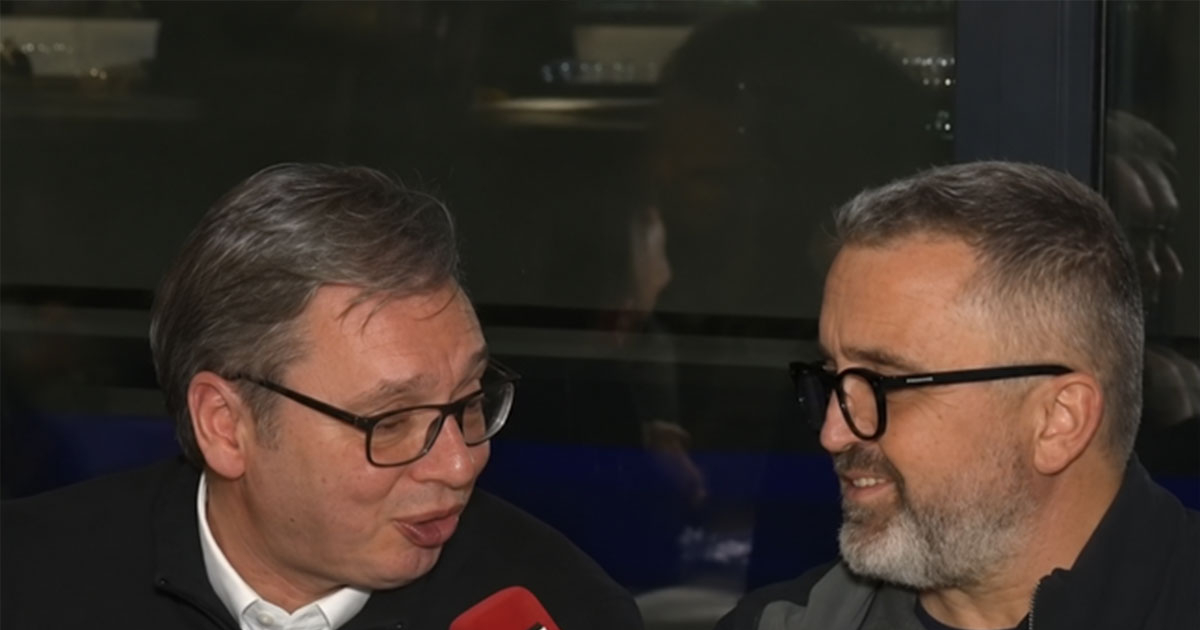
Snimak neformalnog razgovora u Beogradu
Povod za reakcije jeste video-materijal koji kruži društvenim mrežama, a prikazuje razgovor Vučića sa glavnim urednikom Informera Draganom J. Vučićevićem, zabilježen tokom boravka u beogradskom lokalu koji oslovljavaju kao “Ćaci bar”. Tom prilikom naglasio je da niko neće izbjeći odgovornost, izričito pominjući predstavnike tužilaštva, policije i, kako ih je nazvao, lažne studentske lidere.
Prema navodima koje prenosi Index, bivši predsjednik se tokom istog susreta osvrnuo i na nesalomivost ljudskog duha, posluživši se stihovima koji se pripisuju Gavrilu Principu o sjenama koje će lutati po dvoru i plašiti gospodu.

Upozorenja stranačkim kolegama i optužbe na račun policije
Slične političke ocjene Vučić je iznio i dan ranije, 7. novembra, tokom obraćanja beogradskim odborima SNS. Tada je stranačke funkcionere pozvao da pažljivo prikupljaju i čuvaju snimke i druge materijale o događajima koje je okarakterisao kao revolucionarni teror, uvjeravajući ih da će akteri tih dešavanja snositi posljedice kroz dvije godine.
On je tom prilikom iznio i optužbe na račun pojedinih policajaca, tvrdeći da pokušavaju zadobiti naklonost buduće vlasti time što skrivaju ili uklanjaju dokaze koji su predati policiji. U samom izvještaju, međutim, nisu navedeni nezavisno potvrđeni dokazi koji bi potkrijepili takve tvrdnje.
Politička kretanja nakon oktobarskih izbora
Ovakve poruke uslijedile su poslije vanrednih parlamentarnih izbora održanih 25. oktobra, na kojima je većinu osvojila Studentska lista. Prema preliminarnim podacima, ta lista je obezbijedila 140 od ukupno 250 poslaničkih mandata, dok je koalicija koju je predvodio Vučić pretrpjela poraz.
Vučić je već u izbornoj noći priznao poraz i potvrdio da će politički rad nastaviti iz opozicije. Konstitutivna sjednica novog saziva Narodne skupštine Srbije zakazana je za 17. novembar, nakon čega slijedi postupak formiranja nove vlade.
THE ELECTION IS OVER. THE POLITICAL BATTLE ISN'T: VUČIĆ, THE 20-MP RUMOUR AND HIS POTENTIAL NEXT POLITICAL MOVE. To understand what is happening in Belgrade tonight, it is necessary to go back to October 25. Aleksandar Vučić's concession of defeat was itself one of the most consequential and unexpected moments of election night. After more than 2 decades at the centre of Serbian politics, he appeared before the public and acknowledged that the Student List had won. He said the movement would secure between 135 and 140 seats, while the SNS-led list would receive approximately 105. What deserves particular attention is how quickly this happened. Contemporary reporting noted that few within the student movement had expected Vučić to concede so rapidly. The announcement surprised observers and supporters alike. The Student List had prepared for an electoral victory, but the speed and clarity of the concession created an entirely different political atmosphere from the confrontation many had feared. The streets erupted in celebration. The Student List had won a decisive electoral mandate, and the political transition appeared straightforward. But an election victory and the consolidation of political power are two different things. Tonight, November 6, Vučić appeared at Savanova in Belgrade alongside Informer editor Dragan J. Vučićević and other associates at a gathering organised for Informer. The atmosphere was relaxed, the message was defiant, and Vučić publicly spoke of friends standing together in difficult times. He repeated the message that Serbia would win and said the struggle was only beginning. This was not a formal announcement of a political strategy, nor does a restaurant gathering prove that any parliamentary negotiations are taking place. But the timing is notable. The SNS leadership and its wider political circle are still publicly visible and organised, despite having lost the election. And this is where the rumours circulating in Belgrade become politically interesting. There is speculation—still unverified—that as many as 20 MPs elected on the Student List will eventually break away and align themselves with the SNS parliamentary bloc due to disagreements between party leaders who have made very controversial statements about differing political policies which was never presented on the campaign trail. Let's examine what that would mean. The current parliamentary allocation is: Student List: 140 seats SNS-led list: 103 seats Minority lists: 7 seats Total: 250 seats Under the hypothetical scenario of 20 defections: SNS's original 103 MPs 20 hypothetical former Student List MPs Combined bloc: 123 MPs Student List reduced to 120 MPs Minority representatives: 7 MPs A bloc of 123 would still be three votes short of the 126 needed for an absolute majority. Support from three minority MPs would bring it to 126; support from all seven would bring it to 130. That is the arithmetic. It is not evidence that 20 MPs have been recruited, that a coordinated operation exists, or that a parliamentary agreement has been reached. But the question behind the rumour is legitimate: can a movement built around a broad, decentralised electoral coalition maintain the same unity when it moves from protest politics into the difficult business of governing? The Financial Times has examined this very challenge. Its reporting on the Student List describes a movement organised around collective decision-making and a leaderless structure. Those characteristics helped define its political identity, but they also raise practical questions about how 250 candidates, selected through a decentralised process, will maintain a common political direction inside parliament. There is another recent event that cannot be ignored. On October 26, the day after the election, the confrontation at Informer's newsroom became a major political controversy. Protesters entered the newsroom and confronted Vučićević. Dijana Hrka was among those present. In the days that followed, she made statements alleging that the protest had been manipulated and that participants had been left exposed to police intervention. Those allegations remain her account, not an independently established finding. The Student List leadership also distanced itself from the newsroom confrontation. It is therefore important not to treat the actions of individual protesters as proof that the entire movement organised or endorsed them. Nevertheless, the sequence is politically significant: an election victory, a rapid concession by the defeated incumbent, a confrontation involving a major media outlet, disputes over who organised the protest, a regulatory suspension affecting Informer's news programme, and now a public gathering between Vučić and Vučićević. These events are taking place against a background of rumours about the cohesion of the new parliamentary majority. The central issue is not whether the rumoured 20 MPs exist as a coordinated group. There is no verified evidence of that. The issue is whether the Student List can translate 140 parliamentary seats into a stable governing majority, and whether the existing political establishment will remain capable of influencing the transition from outside government. Vučić's concession settled one question: he acknowledged the election result. It did not dissolve the SNS, erase its parliamentary representation, remove its political relationships or answer every question about the formation of the next government. The Student List won the election. It now faces the challenge of electing a government and actually governing. And tonight in Belgrade, the political actors who lost that election were still meeting, speaking publicly and signalling that they intend to remain active in the country's political life. The election produced a clear parliamentary result. The next test is whether that result can be translated into an actual government and whether Serbia's political transition will be as straightforward as election night initially suggested. One thing about politics, particularly Serbian politics, is that it's never wise to assume you've seen the last twist. Just when you think you know what comes next, something unexpected happens. https://t.co/3C3nW3RZ0A https://t.co/09cOMHeycO https://t.co/JOawNx9HB3 https://t.co/wEYWSPvnn6
— Milosh (@MiloshOffical) November 7, 2026